
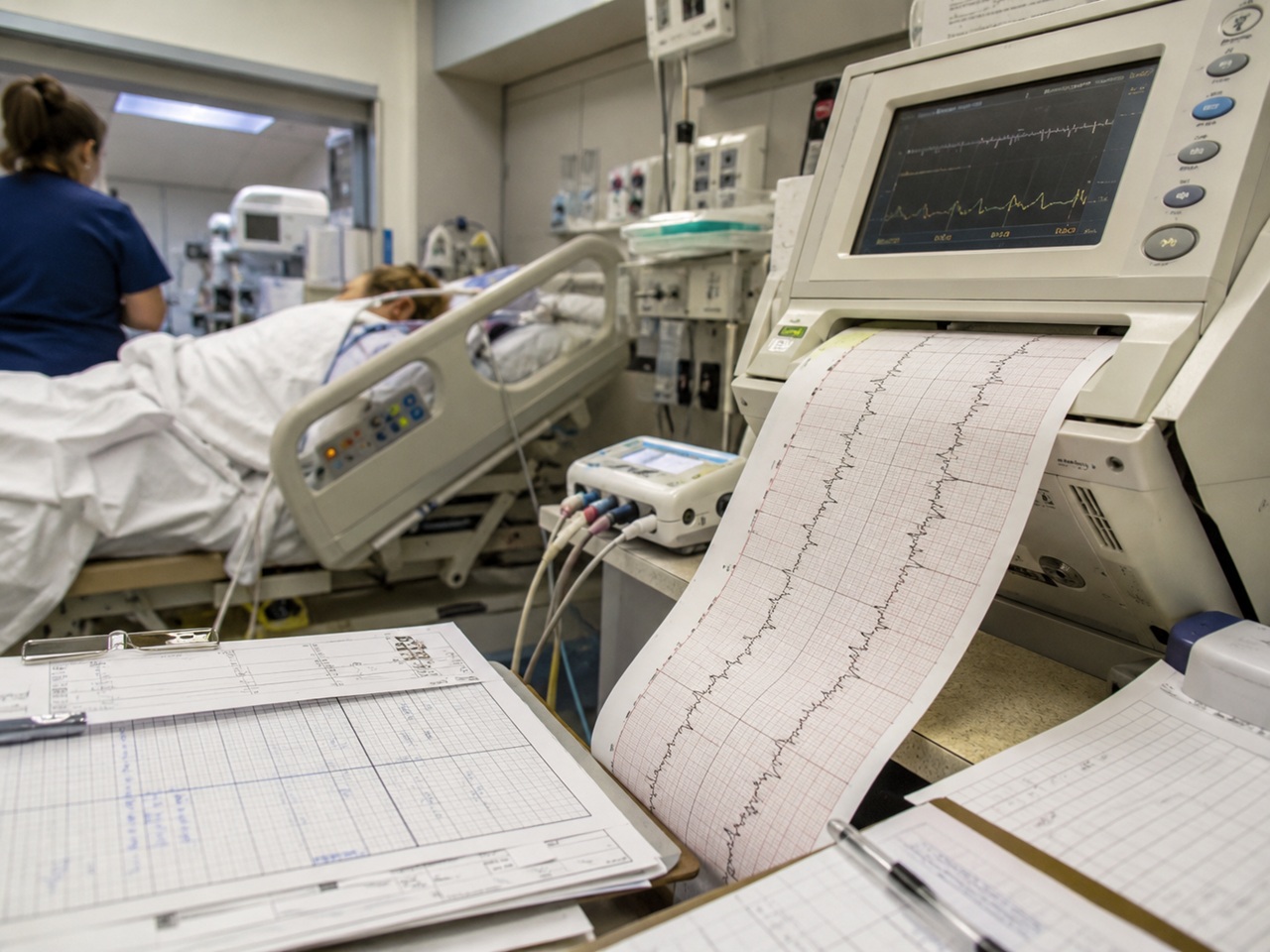
Uterine Rupture Can Become Fatal When Doctors Miss The Warning Signs
There are moments in a delivery room when everything changes in seconds. A uterine rupture is one of them. It is a catastrophic tear in the wall of the uterus that can cause a mother to hemorrhage and deprive a baby of oxygen within minutes. It is also one of the most time-sensitive emergencies in obstetrics, meaning the difference between survival and death can come down to whether the medical team recognized what was happening and acted fast enough.
When they do not, when warning signs are documented in the chart, and no one responds, that failure may be medical malpractice. Cleveland birth injury lawyers fight for Ohio families who lost a mother, or nearly did, because the people responsible for her care were not paying close enough attention.
What Is A Uterine Rupture?
The uterus is a muscular organ, and during labor, it is under enormous physiological stress. A uterine rupture occurs when that muscle tears, either partially or completely. In the most severe cases, the baby, placenta, or both can move into the abdominal cavity. The consequences are immediate and severe. The mother may begin hemorrhaging internally. The baby may lose oxygen. Without emergency surgical intervention, both can be in life-threatening danger within minutes.
The condition is rare in women with no prior uterine surgery, but the risk increases significantly in specific, well-documented circumstances that every obstetrician is trained to recognize. A prior cesarean section is the most common risk factor because the scar tissue left behind from a previous C-section creates a weak point in the uterine wall that can give way under the pressure of contractions.
Women attempting a vaginal birth after cesarean, known as VBAC, carry a higher baseline risk that requires careful monitoring throughout labor.
Why Does Uterine Rupture Happen?
Uterine rupture can happen for several reasons, but most cases involve known risk factors. Those risk factors should be identified before delivery and accounted for in the labor and delivery plan.
Common risk factors and contributing circumstances include prior C-sections, prior uterine surgery, VBAC attempts, uterine abnormalities, a short interval between pregnancies, and labor that is induced or augmented with drugs that intensify contractions. These are maternal risk factors that medical providers should consider when deciding how closely to monitor a patient, whether vaginal delivery is safe, and when to move to emergency intervention.
Oxytocin, often known by the brand name Pitocin, can also become relevant. Pitocin can strengthen contractions, but overly aggressive use or inadequate monitoring can place additional stress on the uterus, especially in a patient with a prior uterine scar. That is why the risks of Pitocin and birth injuries must be taken seriously in high-risk deliveries.
None of these risk factors are hidden. They are documented in the patient’s medical history, and a competent obstetric team is expected to account for them in every decision made during labor.
What Warning Signs Should Trigger An Immediate Response?
Uterine rupture does not usually arrive without warning. In many cases, the mother’s body and the monitoring equipment send signals in the minutes before or during a rupture. Recognizing those signals and acting on them is what the standard of care requires.
These are the warning signs that should prompt immediate evaluation and, when confirmed, emergency intervention:
- Sudden And Severe Abdominal Pain Between Contractions: Pain that persists or intensifies between contractions, rather than easing as a contraction ends, can indicate that something is wrong with the uterine wall. When a laboring patient reports this type of pain and the care team fails to investigate, that failure can become a critical point in the case.
- Abnormal Fetal Heart Rate Patterns: A sudden, prolonged deceleration in the fetal heart rate, particularly one that does not recover, is a well-established sign of fetal distress that can accompany uterine rupture. Electronic fetal monitoring exists to catch these patterns, and a care team that fails to respond to a nonreassuring tracing in a high-risk patient may not be meeting the standard of care.
- Loss Of Fetal Station: When the baby’s presenting part, often the head, suddenly moves back up in the birth canal, it can indicate that the baby has shifted because of a uterine tear. This finding, combined with other warning signs, should trigger an immediate assessment.
- Maternal Hemodynamic Instability: A sudden drop in blood pressure, a rapid heart rate, or signs of shock in a laboring patient can indicate significant internal bleeding. By the time these signs appear, a rupture may already be complete, which is why earlier warning signs must be caught and acted on quickly.
- Palpable Uterine Abnormality: In some cases, the contour of the uterus changes in a way that can be felt on examination. A provider who notes this finding without escalating care may be documenting evidence of the very failure that later forms the basis of a malpractice claim.
When any combination of these signs appears in a patient with known risk factors, the standard of care calls for immediate evaluation, likely an emergency C-section, and the full mobilization of the obstetric team. Delays measured in minutes can be fatal.
How Can Medical Negligence Cause Preventable Harm?
The cases that end in a mother’s death or permanent injury from uterine rupture often share a common thread: someone had the information needed to act and did not act in time. That failure can take different forms, but the patterns repeat.
In some cases, the fetal monitor showed a prolonged deceleration, and no one called for an emergency C-section. In others, a patient reported severe abdominal pain between contractions and was reassured rather than evaluated. In still others, a physician ordered Pitocin in a VBAC patient without adequate monitoring, and intensified contractions placed dangerous pressure on the uterine scar.
OB/GYN malpractice may involve failing to recognize maternal risk factors, ignoring fetal distress, delaying a C-section, mismanaging medication, or failing to communicate urgently with the surgical team. The law does not require perfection from medical professionals. It requires competence. When a physician or labor and delivery nurse has access to the warning signs, the training to recognize them, and the ability to act, and still fails to do so, that gap can become the basis for liability.
Why Does Emergency C-Section Timing Matter?
Once uterine rupture is suspected, time becomes the central issue. The longer the delay, the greater the risk that the mother will suffer severe blood loss and the baby will suffer oxygen deprivation. A delayed surgical response can mean the difference between a survivable emergency and a catastrophic outcome.
Medical teams should be prepared to move quickly when a high-risk laboring patient shows signs of rupture. That may require calling the obstetrician, alerting anesthesia, preparing the operating room, notifying neonatal specialists, and moving forward with a surgical delivery without unnecessary delay.
C-section errors and delayed C-sections can cause devastating harm when medical providers recognize fetal or maternal distress but do not act quickly enough. In a uterine rupture case, the timeline matters. The records must show when the warning signs appeared, who saw them, what was ordered, and how long it took to deliver emergency care.
How Can Uterine Rupture Harm The Baby?
Uterine rupture can endanger the baby because the placenta may separate, blood flow may be interrupted, and oxygen delivery can drop quickly. When the baby does not receive enough oxygen, the result can be brain damage, hypoxic ischemic encephalopathy, cerebral palsy, stillbirth, or infant death.
Electronic fetal monitoring is often central to these cases because the fetal heart rate may show distress before a complete rupture is diagnosed. If a nonreassuring fetal heart tracing appears and no one responds, the baby may remain in danger while the medical team loses valuable time.
Oxygen deprivation during labor is a medical emergency. Understanding how lack of oxygen during birth can cause brain damage helps explain why fetal monitoring, rapid escalation, and timely delivery matter so much in uterine rupture cases.
What Should Ohio Families Do After A Maternal Death Or Injury?
When a mother dies or suffers a catastrophic injury from uterine rupture, the family is left in shock, grief, and often profound confusion about what happened and why. The hospital’s account of events may be incomplete, sanitized, or designed to minimize institutional exposure.
These are the steps that matter most in the aftermath:
- Request the Complete Medical Records Immediately: The labor and delivery records, nursing notes, fetal monitoring strips, medication records, anesthesia records, and operative reports are the documentary evidence of what happened and when. These records form the foundation of any malpractice investigation.
- Do Not Accept The Hospital’s Explanation Without Question: Families are often given a general account of what occurred that omits the specific decisions, delays, and failures that contributed to the outcome. An independent medical and legal review of the records may tell a very different story.
- Preserve All Communications: Text messages, voicemails, emails, discharge paperwork, and written communications with the hospital or providers should be saved. Statements made by staff about what happened can be significant.
- Consult a Birth Injury Attorney Before the Deadline Passes: Ohio imposes strict deadlines for medical malpractice claims, and building a case of this complexity takes time. A legal team must gather records, consult qualified physicians, reconstruct the timeline, and determine where the standard of care was breached. Contact an experienced attorney for a free consultation as soon as possible.
An attorney with deep experience in obstetric malpractice can review the records, identify where the standard of care was breached, and work with qualified physicians to establish exactly what should have happened and when.
Your Family Deserves To Know The Truth About What Happened
If your family lost a mother, wife, or daughter to uterine rupture, or if a mother survived but suffered catastrophic harm, you deserve to know whether the care she received met the standard Ohio law requires.
At The Lancione Law Firm, attorney John Lancione has been fighting for families in exactly these situations for more than three decades. He's recovered more than $350 million for families harmed by medical negligence, and birth injury and medical malpractice cases are all he handles.
There are no upfront costs and no legal fees unless compensation is recovered for your family. Contact us today to schedule a free consultation with a Cleveland medical malpractice attorney who takes these cases personally.
“After looking for law firms that could assist with our birth injury lawsuit, John Lancione was the only lawyer we believed that could truly help. Upon speaking with other attorneys, they even mentioned him! John took care of our family and our concerns from day one. He is very knowledgeable and highly regarded by others when I asked. John handled our case with professionalism and steadfast care, that made all the difference in the result. He treated us like family and fought for us like family. The future of our child was unknown, and The Lancione Law Firm changed that. We are forever grateful for the outstanding service and results we received.” - Rita S., ⭐⭐⭐⭐⭐